Sleep is a vital aspect of our overall health and well-being. It plays a crucial role in various bodily functions, including the health of our eyes. In South Africa, where eye health concerns are prevalent, understanding the link between sleep and eye health becomes even more important. With a growing number of individuals experiencing eye-related issues, exploring the impact of sleep on eye health can provide valuable insights and potential solutions.
South Africa faces numerous challenges when it comes to eye health. Conditions such as cataracts, glaucoma, and age-related macular degeneration (AMD) are on the rise, affecting people of all ages. Additionally, digital eye strain caused by excessive screen time has become a significant concern, especially among the younger population. In this context, recognizing the connection between sleep and eye health can help address these issues more effectively.
One of the primary reasons why sleep is crucial for maintaining good eye health is that it allows the eyes to rest and rejuvenate. During sleep, the eyes are replenished with essential nutrients and fluids, which are necessary for their proper functioning. Moreover, while we sleep, our eyes go through various stages, including rapid eye movement (REM) sleep, which is associated with dreaming. This phase of sleep is believed to be important for ocular health as it helps reduce eye fatigue and maintain overall visual acuity.
Insufficient sleep, on the other hand, can have detrimental effects on eye health. Chronic sleep deprivation can lead to dry eyes, a condition where the eyes do not produce enough tears to keep the surface lubricated. This can cause discomfort, irritation, and vision problems. Additionally, lack of sleep can contribute to eye strain, making it harder for the eyes to focus and leading to blurred vision and headaches.
In South Africa, the prevalence of sleep disorders such as insomnia and sleep apnea further exacerbates the impact of sleep deprivation on eye health. Sleep apnea, a condition characterized by interrupted breathing during sleep, has been linked to an increased risk of glaucoma and other optic nerve disorders. This highlights the importance of addressing sleep disorders not only for general health but also for maintaining optimal eye function.
Addressing the link between sleep and eye health in South Africa requires a multi-faceted approach. Firstly, promoting awareness about the importance of adequate sleep and its impact on eye health is crucial. Educational campaigns and initiatives can help disseminate information about the benefits of good sleep habits and encourage individuals to prioritize their sleep.
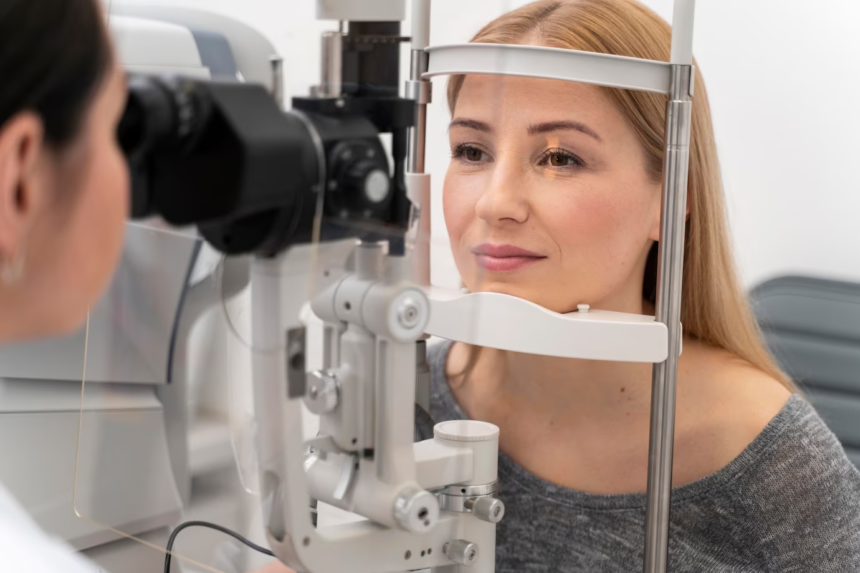
Furthermore, healthcare providers should include discussions about sleep patterns and habits during routine eye examinations. By understanding a patient’s sleep quality and quantity, eye care professionals can better assess and manage any eye conditions related to sleep deprivation or sleep disorders. This integrated approach can lead to more accurate diagnoses and personalized treatment plans.
In addition, lifestyle modifications and good sleep hygiene practices can significantly improve both sleep quality and eye health. South Africans should be encouraged to establish consistent sleep schedules, create a comfortable sleep environment, limit exposure to electronic screens before bed, and engage in relaxation techniques to promote better sleep.
Research and innovation in the field of eye care can also contribute to addressing the link between sleep and eye health. Ongoing studies can provide insights into the specific mechanisms through which sleep affects ocular health and identify potential interventions to mitigate the negative impact of sleep deprivation on the eyes.
In conclusion, the link between sleep and eye health in South Africa is a significant area of concern. Recognizing the importance of sufficient and quality sleep in maintaining optimal eye function can help mitigate the rising prevalence of eye conditions in the country. By raising awareness, integrating sleep discussions into eye care practices, promoting good sleep hygiene, and investing in research, South Africa can take important strides toward improving the eye health and overall well-being of its population.